What Is the Quran? 7-points for Clear Introduction for Non-Muslims
Read More
How Muslims view Jesus is one of the most important—but often misunderstood—topics in interfaith understanding. Jesus is one of the key and highly revered figures in Islam (Isa in Arabic). The Quran mentions him several times, bestowing noble titles upon him and considering him one of the great prophets whom God sent to the people. For readers who come from Christian-majority backgrounds, learning how Muslims view Jesus provides valuable insight into the theological connections and differences that shape the world’s largest monotheistic traditions.
To understand how Muslims view Jesus, it is essential to look at the Qur’an, Islam’s central scripture. More than thirty times is the name Jesus mentioned.
According to the Quran, Jesus is a prophet who was sent by God and given the responsibility to give revelation to the Children of Israel. Muhammadans hold that the Quran affirms both the spirituality of Jesus and also rectifies what Islam perceives as such theological developments in later times.
The Islamic faith holds that God did reveal a scripture to Jesus, referred to as Injil. Two, although they do not believe that the New Testament is identical to the original Injil, Muslims view Jesus as having been included in a continuous chain of Godly commandments, which includes Abraham, Moses, and Muhammad (Peace be Upon Him). To gain more context, readers can explore introductory topics such as “What is the Qur’an” and “Who is Allah,” which provide additional answers to the larger context of the Islamic revelation.
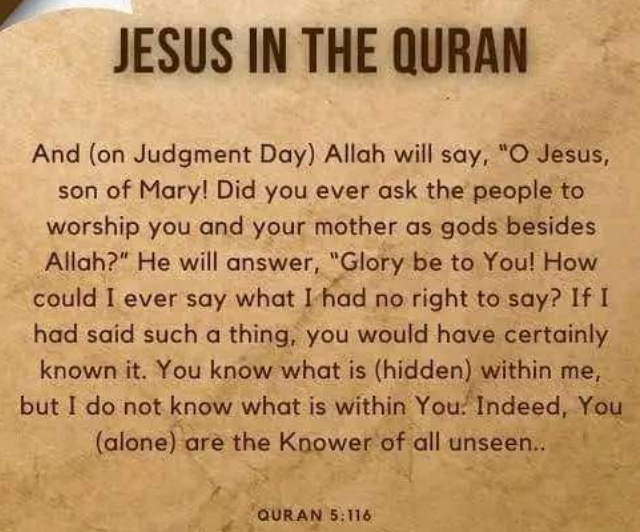
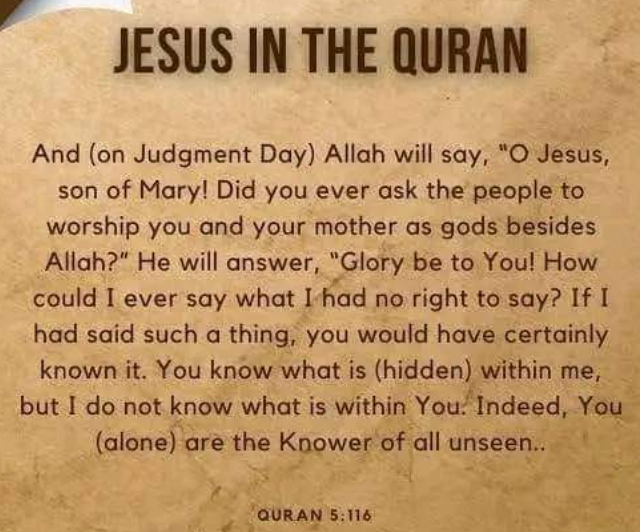
When exploring how Muslims view Jesus, one finds that the Qur’an uses several honorific titles to describe him. They are al-Masïh (commonly rendered as the Messiah), Ruh minhu (the Spirit of God), Kalimatullah (the Word of God), and Abdullah (a servant of God). These titles highlight his noble position and religious role.
The Islamic concept of the Messiah does not even have the theological connotation that exists in most Christian traditions. Rather, it denotes Jesus as a messenger sent by God and blessed. The Islamic text attributes higher titles to Jesus, making him special, while upholding monotheism (tawhid). Readers may find it worthwhile to consider the similar arguments in the Prophets of Islam, where one can gain insight into the guiding mode of understanding prophets as outlined in Islamic theology.
A key element of how Muslims view Jesus is the belief in his miraculous birth. The Quran reports that Mary (Maryam) got pregnant with Jesus out of divine command, having no human father. This phenomenon is mentioned in Chapters 3 and 19 of the Quran. Mary herself was considered one of the most righteous women in the Islamic tradition.
The Quranic story supports the virgin birth without confusing it with the divine incarnation. Jesus was born in a miraculous way, as described in the Islamic religion, which demonstrated the power of God rather than his divinity. According to Muslims, God created Adam without a father or mother; therefore, he created Jesus miraculously and in a special manner. It remains focused on God as the sole Creator and the originator of all miracles.
Another important part of how Muslims view Jesus is the recognition of his miracles. The Quran explains that Jesus performed various miraculous signs with God’s permission. These involve restoring the eyesight of the blind, curing people with leprosy, speaking in tongues as a baby, and even raising the dead.
According to Muslims, such miracles ratify the prophetic powers of Jesus, but in addition to that, he carried them out by divine will. This difference retains the Islamic conception of prophethood: the presence of miracles is not seen as a sign of the divinity of this or that messenger, but rather as evidence that he is a genuine figure.
A defining aspect of how Muslims view Jesus relates to the crucifixion. According to the Islamic faith, Jesus was not crucified. Rather, the Quran says that it was made to look like crucifixion to the people, yet Jesus, the son of God, was spared. Muslims believe that Jesus was neither killed nor crucified but rather He was elevated to the sight of God.
This conviction defines Islam, unlike the mainstream Christian belief. Whereas Christians consider the crucifixion and resurrection as the pillars of their religion, Muslims believe that God preserved Jesus and that some other person, whom some, although not all, commentators mention, was created to resemble him. The Islamic perspective upholds the dignity and divine status of prophets, ensuring they are not left to stand alone and face attacks.
Although the Muslims have a different conception of Jesus concerning crucifixion, they have a common belief with many Christians that Jesus is coming back. Islamic doctrines believe that Jesus will return before the end of time. His second coming should be a time of justice, truth, and peace.
The Muslim tradition dictates that the person of Jesus will have to rectify misconceptions of the Quranic message, overcome injustice, and bring harmony in the world before the final scorecard. His return is regarded as a component of a divine plan that has been common in monotheistic traditions, upholding his pivotal position in world history and eschatology.
Christians have a belief in:
Islam is, however, different in a number of aspects:
Such differences are core to the Islamic theology and indicate their devotion to absolute monotheism. Meanwhile, the great reverence the Quran shows to Jesus is a significant point of interreligious learning.
Do Muslims believe in Jesus?
Yes. Jesus was a significant prophet to Muslims, and they pay great respect to him.
Are Muslims born of a virgin?
Yes. According to the Quran, a divine miracle confirms that Jesus was born out of a miracle of Mary.
Do Muslims believe that Jesus was crucified?
No. The Islamic faith asserts that Jesus was not crucified, but He was saved by God.
How does the Quran express Jesus?
According to the Quran, Jesus was considered a prophet, a Messiah, a word of God, and a miracle worker who was bestowed with the Injil (the religious book containing God’s words).
If you would like to study and learn more about this, you can review the following links or submit your questions to us through the contact form or email (we will answer with guidance to you ASAP).