Who Is Allah? A Research-Based Explanation for Non-Muslims (Linguistic, Historical & Theological Analysis)
Read More
This article deploys studies in comparative religion, linguistics, and Islamic studies to describe the nature of Allah in a straightforward, honorable, and evidence-based manner.
Understanding the Meaning of Islam: Who Is Allah?
To most English-speaking readers (in the US, Canada, the UK, or Australia), the term Allah sounds alien or strange. Yet, it is always observed by academic researchers that the Allah concept within Islam is rather similar to the idea of one universal God in Judaism and Christianity. This concept is concerned with insiders, and its understanding is crucial to anyone studying Islam from a historical, theological, or anthropological perspective.
1. The name Allah is not a name of another God
Linguistic scholars agree that Allah is an abbreviation of the Arabic word al-Ilah, which translates to “The One God.” (Cambridge Encyclopedia of Language)
2. Arab origin Christians, as well as Jews, use Allah
This is one of the strongest scholarly pieces of evidence AGAINST the myth that Allah is a different deity.
This proves that Allah is no other than the God worshipped by Abraham, Moses, and Jesus; he is merely Allah, named in Arabic.
The theology of Islam (Aqeedah) refers to the description of Allah through three main academic concepts:
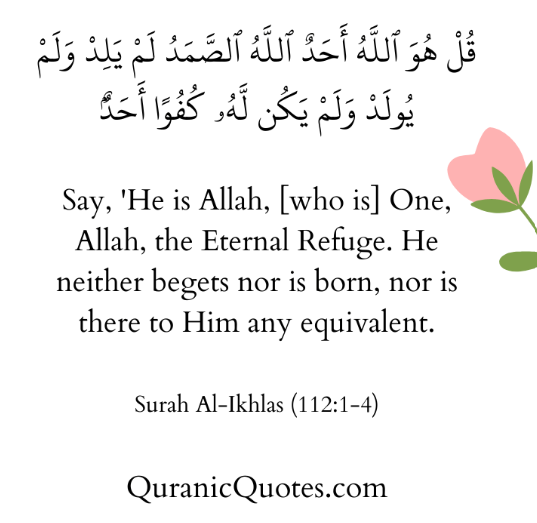
The primary message of Islam is absolute monotheism: God is one; He is unique, and He is indivisible.
Researchers tend to equate Tawhid to:
• Jewish monotheism (Shema Israel)
• Classical Christian Monotheism
Islam strongly denies the concept of the existence of various deities, spouses, mediators, or families of Gods. That is why Islam is defined by the scholars as rigid monotheism.
2. What Allah Is Not (Negative Theology in Islam)!
Islam also tends to define Allah in negation, a technique that Christian theologians refer to as ‘apophatic theology.’
According to the Qur’an, Allah:
3. Attributes of Allah (Scholarly Identified)
Allah is described in Islamic writings as possessing more than 99 attributes. It is known that a large portion of the attributes of Allah overlap with those of Judeo-Christian understandings of God.
Examples:
Comparisons made by scholars reveal that these features are similar to those found in the Old Testament, New Testament, and other scriptures within the Abrahamic tradition.
Several non-Muslims think that Islam is a strict, law-oriented, or punishment-oriented religion. However, Islamic scholarship and research indicate that mercy is the most frequently repeated term in the Quran.
There is not a chapter of the Quran (with the exception of one) that opens with:
“In the name of God, the Most Merciful, the Most Compassionate.”
The Prophet Muhammad described Allah as more merciful to His creation than a mother to her infant (Sahih Bukhari).
This provides Allah with an effective emotional and spiritual depth of understanding.
Muslims do not worship Allah with the help of intermediaries, statues, or saints. Instead, worship is:
Allah is equal to everyone, irrespective of their position, race, or background. Religious studies scholars appreciate this model of worship due to its simplicity and universalism. (The Roots of Islamic Universalism, Natalia Kosheleva).
To Muslims, the fact is that there is only one God:
That is why conversion to Islam (shahadah) is based on a single sentence:
“There is no god but Allah.”
1. “Allah is a moon god?”
This statement is widely rejected by historians. It was based on the misconceptions created by 19th-century Orientalists.
2. Allah is not the same God as Christians and Jews have?
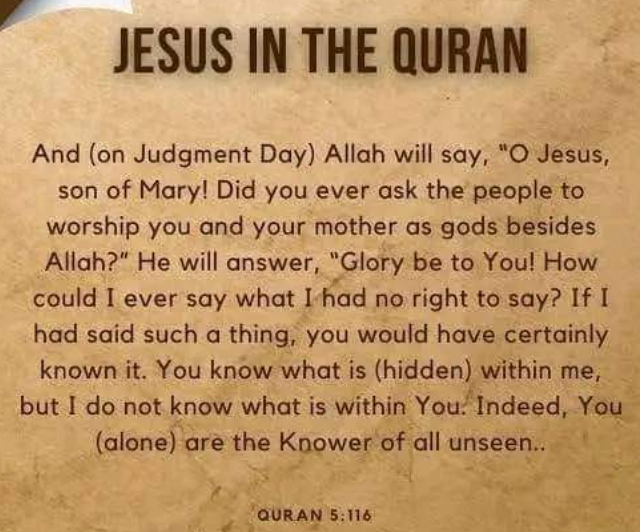
Allah says in the Quran that he is the same God that Abraham, Moses, and Jesus had. (Surah Al-Baqarah (2:136))
3. “Allah is only for Arabs?”
80% of Muslims are non-Arab. The term “Allah” is a universal term, not limited to a particular ethnicity.
For anyone who wants to study Islam academically, spiritually, or as a curious individual, understanding ‘who Allah is!’ is the starting point.
Allah in Islam is:
This understanding and knowledge help to learn more about the Quran, determine prophets, Islamic ethics, and Islamic life.