Women in Islam: 10 Fundamental Rights Many People Don’t Know About
Read More
This post elaborates on how the Quran serves as the primary book that conveys the nature, attributes, and message of Allah in Islam.
To the question of ‘What is the Quran?’ The Quran is the religious book that describes the core of the Islamic religion, and according to the Muslims, it is the word of Allah that is being revealed to them. To non-Muslim English-speaking readers, this is the concept that seems strange, distant, or even threatening. However, scientific studies in history, linguistics, and comparative religion render the Quran more comprehensible than one might think.
According to academicians, the Quran is a recited scripture (derived from the Arabic qara’a, meaning “to recite”) that was revealed to the Prophet Muhammad over a span of approximately twenty-three years. Researchers of Islamic studies and Islamic history regard the Quran as a special example of what has been termed oral scripture, meaning it was both memorized and written down.
Muslim and non-Muslim historians are in agreement that the Quran originated in 7th-century Arabia when there was much religious diversity. Among the communities found during this period were the Jewish community, various strands of Christianity, and monotheistic movements with Abrahamic influences. Due to this background, most of the themes in the Quran are closely related to Biblical traditions.
According to the Islamic faith, the Quran was revealed to the Prophet Muhammad through the angel Gabriel (Murata & Chittick, 1996). The Prophet Muhammad read these revelations to those present, and they later recorded them using the correct inscription.
According to the religious studies point of view, the Quran is perceived as:
This is the reason why the Quran has frequently been likened to the Torah and the New Testament- three books that have one common ancestry leading to Abraham.
The contents of the Quran are categorized into several recurring themes by researchers.
1. God’s Oneness (Tawhid)
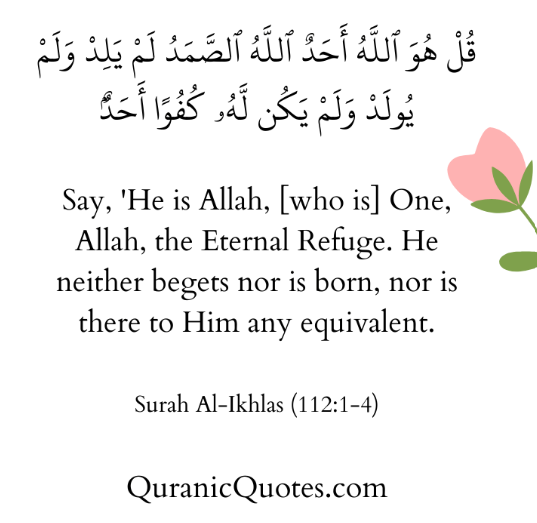
The Quran points out that Allah is one, unique, and universal. This links to our earlier article, ‘Who is Allah?‘, which was the foundation of Islamic theology.
2. Guidance for Human Ethics
The Quran provides moral principles regarding truthfulness, justice, goodwill, sympathy, and human dignity. The ethics of Judaism and Christianity are similar, as observed by comparative religion researchers.
3. Stories of Earlier Prophets
The Quran cites other prophets that are known by the non-Muslims as:
It also emphasizes that it is not introducing a new religion, but rather rebuilding the oldest monotheistic one.
4. The Purpose of Human Life
The Quranic text raises issues of meaning, personal responsibility, and spiritual development, topics that are also discussed in philosophy, psychology, and religious studies.
The language of the Quran appears rhythmic, poetic, or eloquent to many non-Muslims. This happens because:
This particular sound is not by chance, but part of the original purpose of a recited scripture of the text.
This has been maintained by:
The Quran is memorized by millions of Muslims worldwide. The tradition was introduced during the lifetime of the Prophet Muhammad.
The standardized Quranic text in use today is similar to the early manuscripts dated between the 7th and 8th centuries.
One of the primary concerns of modern Quranic scholarship is the dual nature of its conservation, both oral and written.
The Quran is a religious text that, to Muslims, is also a personal guide. It is recited in everyday prayers, consulted when making moral decisions, and memorized to foster spiritual growth.
Researchers point out the following characteristics:
That is the reason why the Quran is at the centre of the Muslim identity.
1. Does the Quran differ from the Muslim Bible?
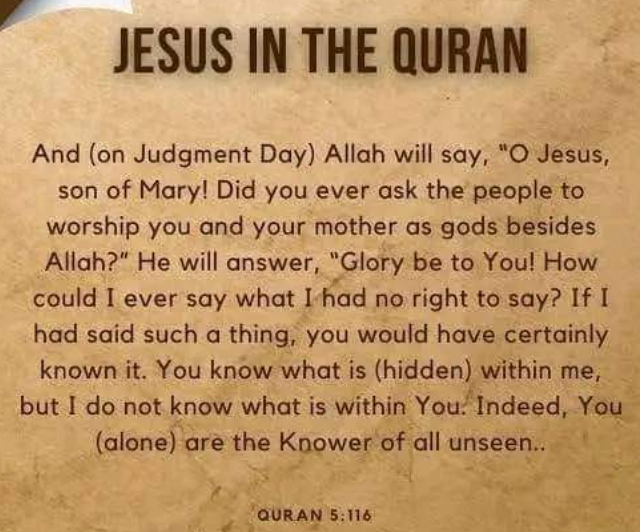
The Quran is not regarded by Muslims as the Muslim Bible. Rather, it considers itself the last revelation in a series that includes the Torah and the Gospel.
2. Has the Quran been copied out of the Bible?
This is not accepted in the scholarly world. Although themes are similar due to common Abrahamic roots, the Quran has distinct structures, narratives, and theological representations.
3. Is the Quran only for Arabs?
No. Most Muslims (80 percent) are non-Arabs, and there are more than 100 translation languages.
Learning the meaning of the Quran would provide more insight to non-Muslims on what Muslims believe and why they practice their faith in the manner they do. The Quran contains the answer to the most significant questions of life: the purpose, righteousness, and our connection with the Creator.
Without progressing to the next stage, the reader who desires to remain in the learning process would be interested in the factor that links scripture to belief. And that we have discussed in other articles: