What Is the Quran? 7-points for Clear Introduction for Non-Muslims
Read More
Table of Contents
Many people pose this question by asking, “Who is Prophet Muhammad?” because they would like a factual introduction. Prophet Muhammad (peace be upon him) was born in Makkah (Saudi Arabia) in 570 CE in a significant commercial city of Arabia. He was born into the Quraysh tribe as an orphan and was employed as a merchant, whose honesty and integrity were highly regarded.
He was very popular in pre-prophetic times as Al-Amīn (the Trustworthy). Even those who later disagreed with him acknowledged his moral reputation. This background can be used to describe why his message became credible among early followers.
For additional context on Islam’s origins, you may explore our article:
“Who Is Allah? A Research-Based Explanation”
Prophet Muhammad began meditating and reflecting at the age of 40. As per historical records, he received the first revelation from God, as conveyed by the Angel Gabriel, in 610 CE. Such revelations continued over a period of 23 years and were later compiled in the form of the Quran.
His message emphasized:
His teachings were similar to those of his predecessors, including Noah, Abraham, Moses, and Jesus (peace be upon all of them), which is why Islam considers itself a continuation of the previous monotheistic practices.
For a deeper look at Islamic Scripture, see our article:
“What Is the Quran? A Clear Introduction for Non-Muslims.”
A crucial component in understanding who Prophet Muhammad is is knowing his character. Historical sources indicate that he was merciful, tolerant, and steadfast in his ideals. He forgave his enemies, served the poor, visited the sick, treated women with respect, and behaved kindly towards neighbours of every kind.
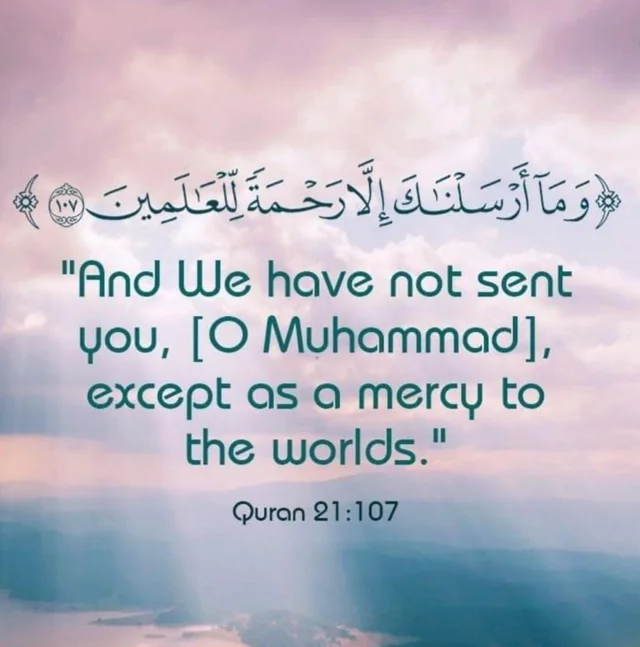
The Quran refers to him as “a mercy to all the worlds” (21:107).
His everyday life exemplified modesty: he would mend his own shoes, do the household chores, and eat plain food. To him, being a leader meant serving, not being privileged.
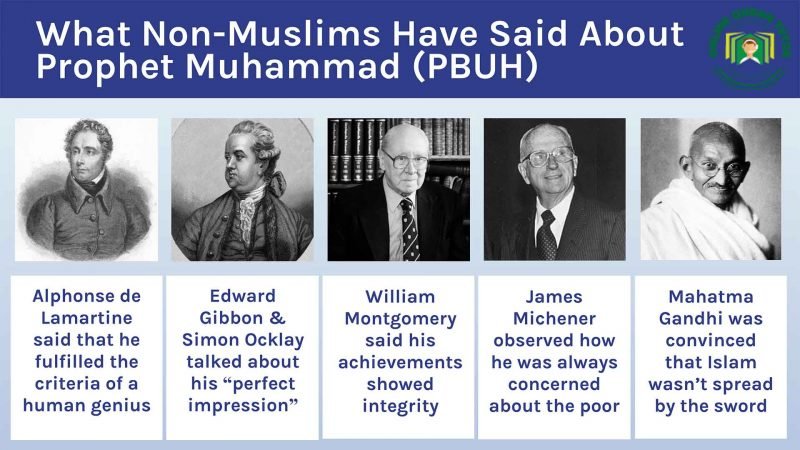
These are some of the reasons why he is regarded as an ethical reformer and a transformative leader by various modern historians, such as Karen Armstrong and Montgomery Watt.
Prophet Muhammad is a historical figure whose social reforms can be studied to gain a deeper understanding of his life and legacy. He was striving to bring justice, community peace, and ethical behavior in a society that was experiencing tribal war and inequality.
Key Social Reforms by Muhammad:
His rule was based on spiritual leadership and practical governance, that is, consultation (shura) and the rule of law.
To Muslims, Prophet Muhammad is the last messenger, and he has been the best guide on how to live with sincerity and kindness. His methods determine the morality of an individual, family, corporate behavior, and corporate relationships.
To non-Muslims, his biography provides a clear insight into his life, as opposed to the media accounts. This knowledge about Prophet Muhammad serves to bridge gaps, eliminate misunderstandings, and foster informed dialogue among diverse people.
Conclusion
Prophet Muhammad is one of the most powerful personalities in world history. He still guides nearly two billion Muslims worldwide through his message, character, and leadership. Being informed about him by the reliable and authoritative sources, the readers (both Muslim and non-Muslim) can gain insight into the role of Islam at its core and see its importance to the world.
If you want to study more, the following links can guide you: