Who Is Allah? A Research-Based Explanation for Non-Muslims (Linguistic, Historical & Theological Analysis)
Read More
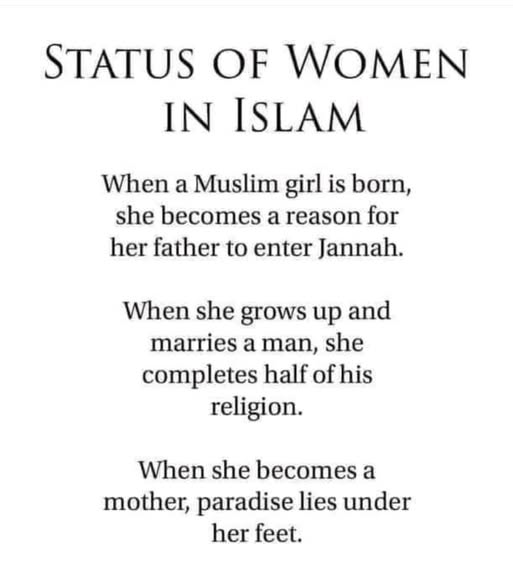
The debate on women and Islam (Women in Islam) is usually characterized by stereotypes and not the true teachings of the Quran and the way Prophet Muhammad (peace be upon him) lived. Actually, Islam accorded women a lot of rights, including spiritual, social, economic, and personal rights, more than what many societies afforded during the same period. Islamic law does not interfere with these rights, preserving and respecting them.
The following are ten basic rights Islam has given to women, most of which most people in the world are unaware of:
The Islamic religion confirms that men and women are spiritually equal. The Quran mentions several times that people will be judged by their actions, not their gender. Women have equal opportunities to be rewarded, repent, and have a close relationship with God.
Study more about Islam: How Muslims View Jesus: 7 Key Facts You Should Know
Prophet Muhammad (peace be upon him) outlined that every Muslim male and female is obligated to seek knowledge. Women were known in early Islamic history as scholars, teachers, and narrators of hadith, and this proves that one of the most important Islamic rights of women is education
In the Islamic religion, no marriage is valid unless the woman freely consents. Forced marriages are not permissible. A woman’s decision to accept or reject an offer is not considered a violation of her rights according to Islamic law.
Islam acknowledges that not all marriages are successful. Women have their distinct areas of pursuing divorce, including khula, where they are allowed to request separation via due process. This ensures the security and dignity of women in harsh circumstances.
Learn about Prophet Muhammad: Who Is Prophet Muhammad? Introduction for Non-Muslims
The wealth of a woman belongs only to her. Islam provides women with all the financial independence and autonomy:
This is a unique and strong economic security measure for women.
Islamic law permits women to purchase, sell, bequeath, and manage property independently. This was the first of its kind, as many societies did not grant women any legal ownership.
Although the shares are varied according to the responsibilities, Islam ensures women a guaranteed and secured inheritance. In most pre-Islamic cultures, women were not entitled to inherit property; thus, the approach in Islam represented a significant step forward.
Islam is very strict on the mistreatment and violence of women. Prophet Muhammad (peace be upon him) taught Muslims to treat women kindly, and he said, The best among you are the best of those who are kind to their wives.
Women played several roles in Islamic society, including business owners, religious teachers, community leaders, and caregivers. Islam motivates women to make a positive contribution without an affront to dignity, modesty, and choice.
Islamic law ensures that women are accorded respect in society, receive legal justice, and have the security of their families. Sexual harassment, exploitation, and coercion are strictly denounced. Islam also focuses on a secure setup in which women can live with dignity.
The Islamic religion provides women with a system of rights that upholds dignity, empowerment, and justice. The principles were formed over 1,400 years ago, and they provided a well-balanced and reverent view of womanhood. Through these underlining rights, readers are able to gain a more real and clearer image of how Islam treats women.
Learn More on the same topic (Women in Islam) in detail from other Sources: